When you click the link, it will take you to the corresponding page.
特上にぎり
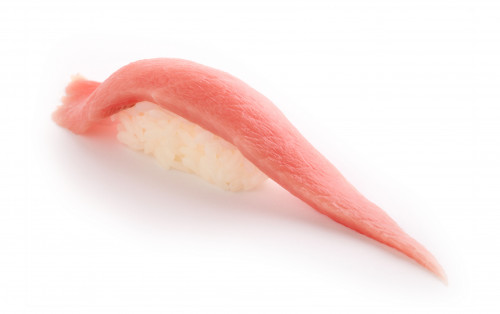
中トロ
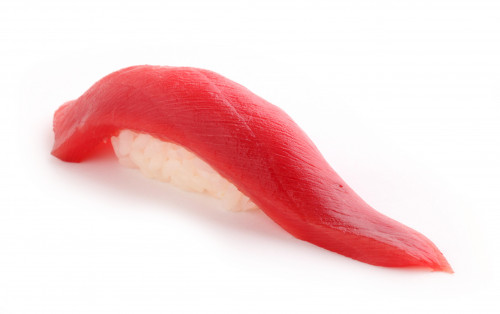
まぐろ赤身
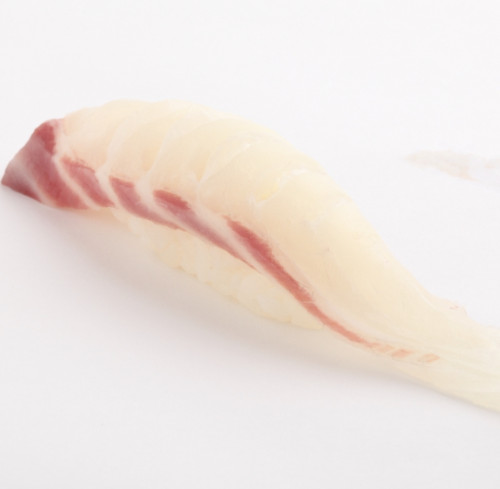
季節の白身
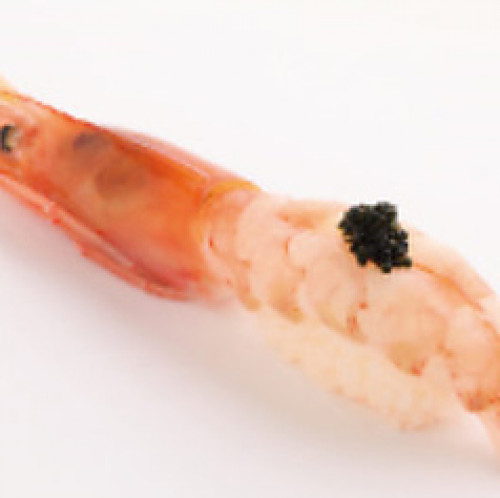
大赤海老
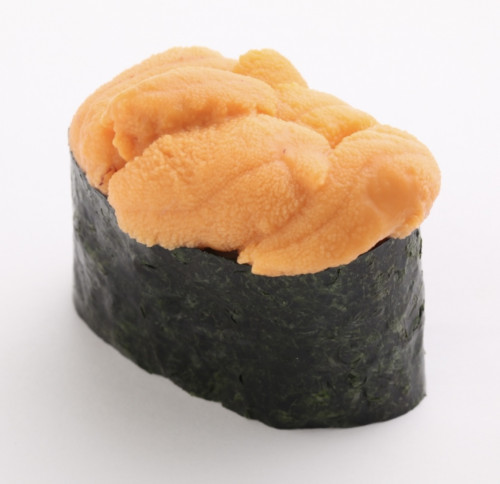
ウニ
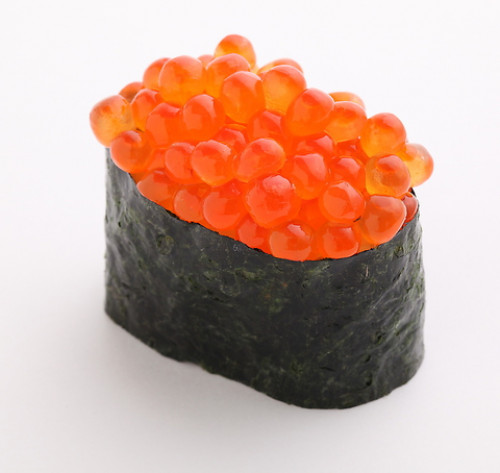
イクラ
帆立
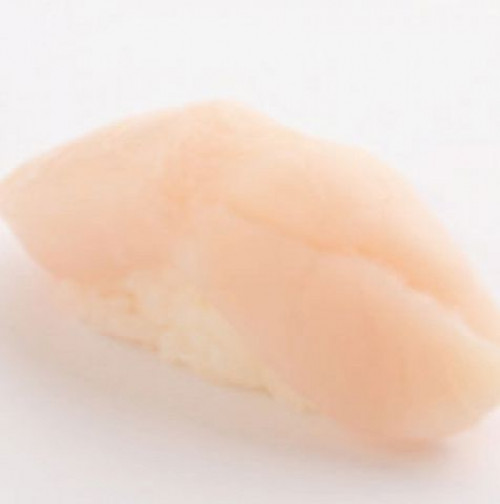
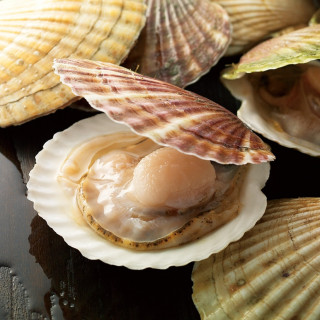
Scallops, known as "Hotate" in Japanese, are prevalent seafood in Japanese cuisine. They are commonly found in sushi restaurants and Japanese cuisine establishments. Scallops are typically consumed raw or lightly grilled and served with sushi rice or wrapped in nori (seaweed). They can also be prepared as sashimi or sushi rolls. Although they are commonly referred to as "scallops" (the standard Japanese term is "Hotategai"), the term specifically refers to the muscular part of the scallop known as the "Hotatehashira." The word "Hotate" (帆立) has an interesting origin. According to records, in a Japanese encyclopedia from the 17th century, the appearance of a scallop with its shell open and moving resembled the image of a sailing ship with its sails unfurled, hence the name. The "ho" (帆) in Japanese represents a sail, and "tate" (立) represents standing or upright. Additional notes: Scallops can also be enjoyed pan-seared with butter, and during travels in Hokkaido, dried scallop muscles are popularly purchased as souvenirs and snacks. In 1856, scallops were given the scientific name "Mizuhopecten Yessoensis" by an American, with the first part representing the scallop genus and the latter part "Yessoensis" referring to the comb-shaped clams found in the Hokkaido region of Japan. It was named based on the resemblance between the ribbed muscles of scallops and the shape of comb clams. Scallops have also appeared in Western art history, as depicted by the Renaissance painter Sandro Botticelli in his artwork "The Birth of Venus." The goddess of love and beauty, Aphrodite, is depicted standing on a large shell, which is a scallop. When scallops move in the sea, they do not open their shells and physically move, as the name might suggest. Instead, they propel themselves by taking in water with their open shells and then forcefully expelling it. The same is true for the tongue of a geoduck clam. Throughout history, people have often named animals based on their own interpretations.
数の子
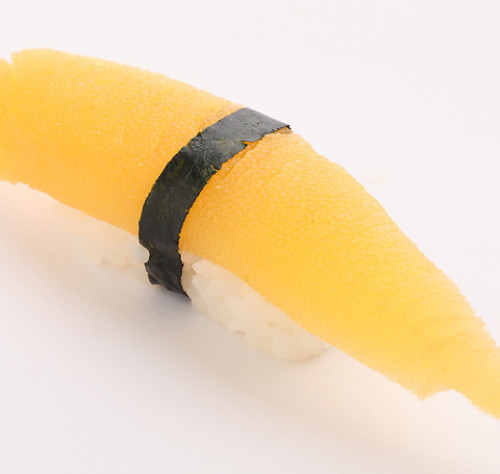
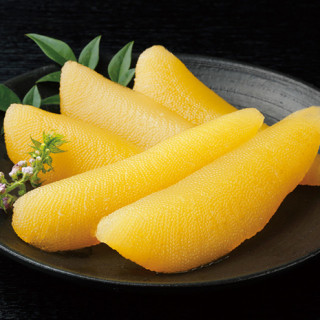
Kazunoko is a traditional Japanese food made from salt-cured or dried herring roe sacs. It is commonly used in osechi ryori (New Year’s dishes) and as a sushi ingredient. Salted kazunoko is soaked in water to remove excess salt, while dried kazunoko is rehydrated before cooking. Pre-seasoned kazunoko ready to eat is also available on the market. There is also a product called komochi kombu, which consists of herring eggs naturally attached to kelp during spawning. Compared to the roe of other fish, herring roe sacs are firm and have a distinct crunchy texture that produces a popping sound when chewed. The renowned Japanese artist and gourmet Rosanjin Kitaoji once described kazunoko by saying, “Kazunoko is a food in which you savor the sound.”
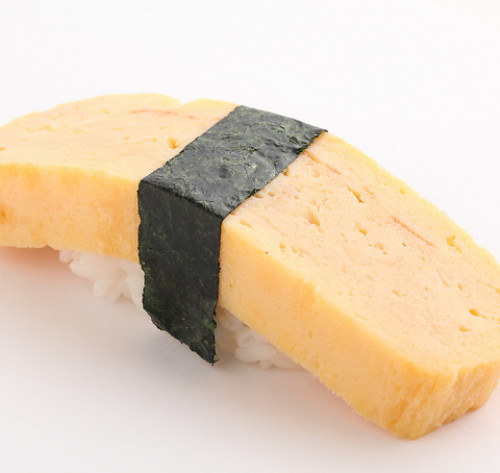
玉子にぎり
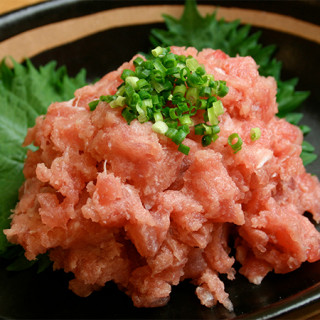
ねぎトロ巻き
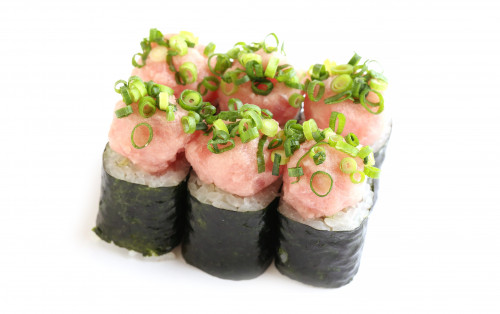
Negitoro is one of the ingredients for sushi, made from minced tuna turned into a paste. It is used in battleship rolls, thin rolls, and hand-rolled sushi and is also eaten as a bowl dish. There are various theories regarding the origin of the name "Negitoro." It's commonly believed that the Japanese word for green onion, "negi," and the term for the fatty part of tuna, "toro," were combined to create "Negitoro." Although the actual "toro" part of the tuna isn't used, the term is used to describe the melting texture of the minced tuna. Even if green onions aren't mixed in, it's still called "Negitoro." It is said that Negitoro originally began when the meat scraped off from the tuna's bone, known as "Nakaochi," was used as a meal for sushi restaurant staff.